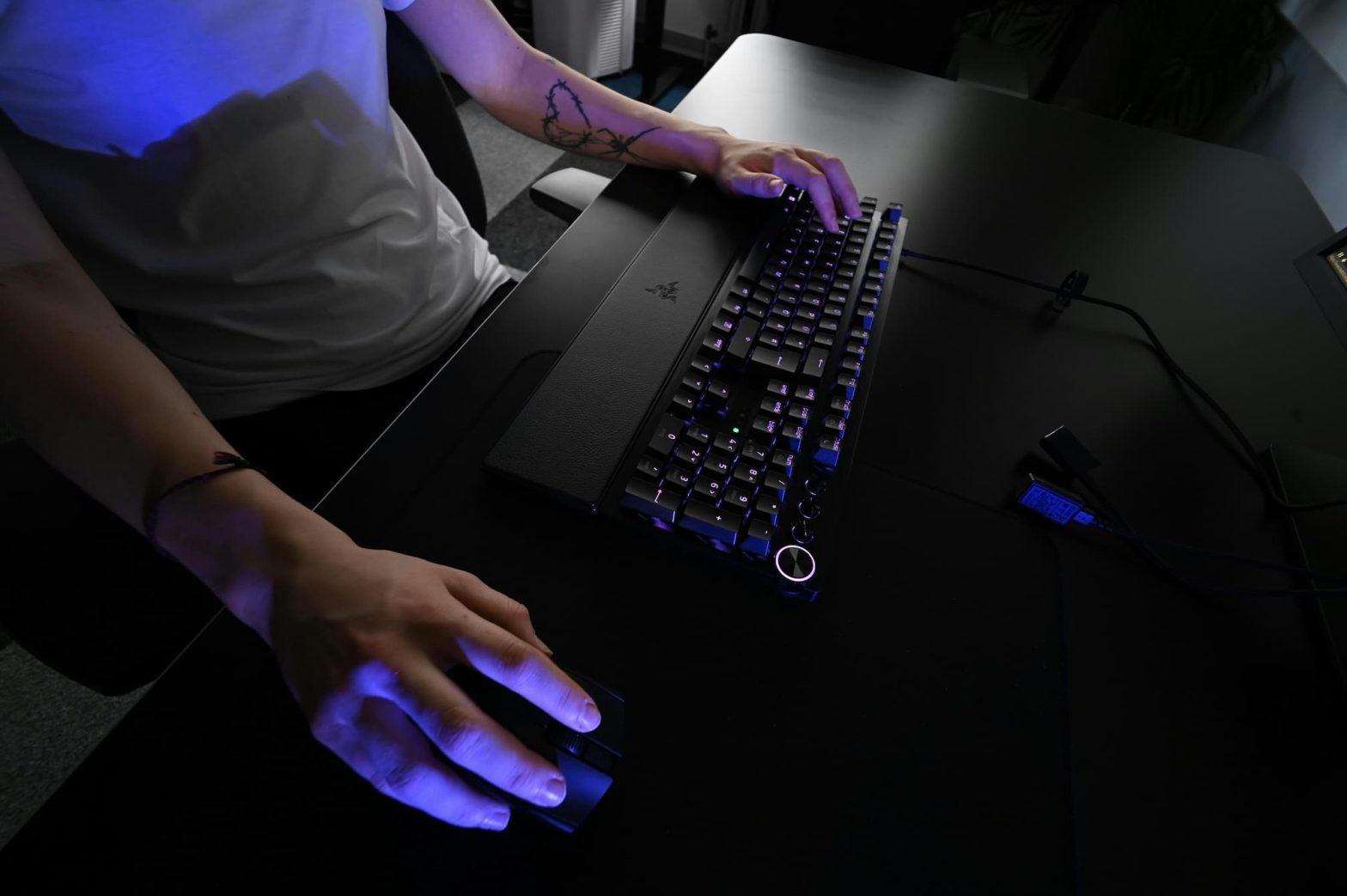
Gaming has long been a universal form of entertainment. It offers players the chance to explore, compete, and connect. However, for millions of disabled players, it hasn’t always been an equal experience. In recent years, the gaming industry has pushed to improve accessibility. The goal is to make games more inclusive for players with physical, sensory, and cognitive disabilities. And yes, it includes online casino platforms such as 20Bet, and traditional consoles.
The Importance of Accessibility in Gaming
For many disabled players, games are more than entertainment. They are spaces for social interaction, creativity, and mental stimulation. When games are inaccessible, it limits more than fun. It excludes people from these meaningful experiences.
Accessibility means everyone can fully engage with a game. This includes removing barriers related to vision, hearing, mobility, and cognition. It ensures all players can enjoy gaming on their own terms.
Common Barriers Disabled Players Face
Disabled gamers face different challenges depending on their needs. Common barriers include:
- Motor impairments: Standard controllers are difficult to use. Players may need alternative input methods.
- Visual impairments: Poor color contrast, small text, or no audio support for visual cues.
- Hearing impairments: Games rely on audio cues without subtitles or visual indicators.
- Cognitive disabilities: Complex interfaces or mechanics become overwhelming without adjustable settings.
Without thoughtful design, these barriers turn games from fun to frustrating—or even unplayable.
Industry Shifts Toward Inclusive Design
The last decade has brought big progress in accessibility. Major companies like Xbox, PlayStation, and Nintendo now focus on accessible hardware and software.
- Xbox Adaptive Controller: Microsoft created this customizable device for players with limited mobility. Users can connect switches, buttons, and joysticks tailored to their needs.
- In-Game Accessibility Features: Many games now offer options like remappable controls, larger text, colorblind modes, and ways to skip quick-time events.
- Subtitles and Visual Cues: Games like The Last of Us Part II set new standards. They offer detailed subtitles, visual cues for audio, and full control over difficulty and speed.
The Role of Disabled Players in Design
True accessibility comes from including disabled players in the design process. More studios now hire accessibility consultants. They also collaborate with disabled gamers to meet real needs.
User testing with diverse groups reveals issues that able-bodied designers may miss. This leads to better solutions. It also helps make accessibility a normal part of game development.
The Business Case for Accessibility
Accessibility isn’t just ethical—it’s smart business. Disabled players are a large part of the gaming community. Over 400 million gamers worldwide live with some form of disability.
Accessible games reach more players, boost satisfaction, and build loyalty. Many features help everyone, not just disabled users. For example, subtitles help in noisy places. Customizable controls improve comfort for all.
The Road Ahead
The industry has come far, but more work remains. Smaller studios may struggle with the costs of accessibility. Creating standard best practices is still a work in progress.
Still, the momentum is strong. Each innovation sends a clear message: gaming is for everyone. Inclusive design isn’t just a trend. It’s a lasting shift toward a fairer and more connected gaming world.
As technology grows, the hope is simple. Gaming will continue breaking barriers—so no player is left behind.